
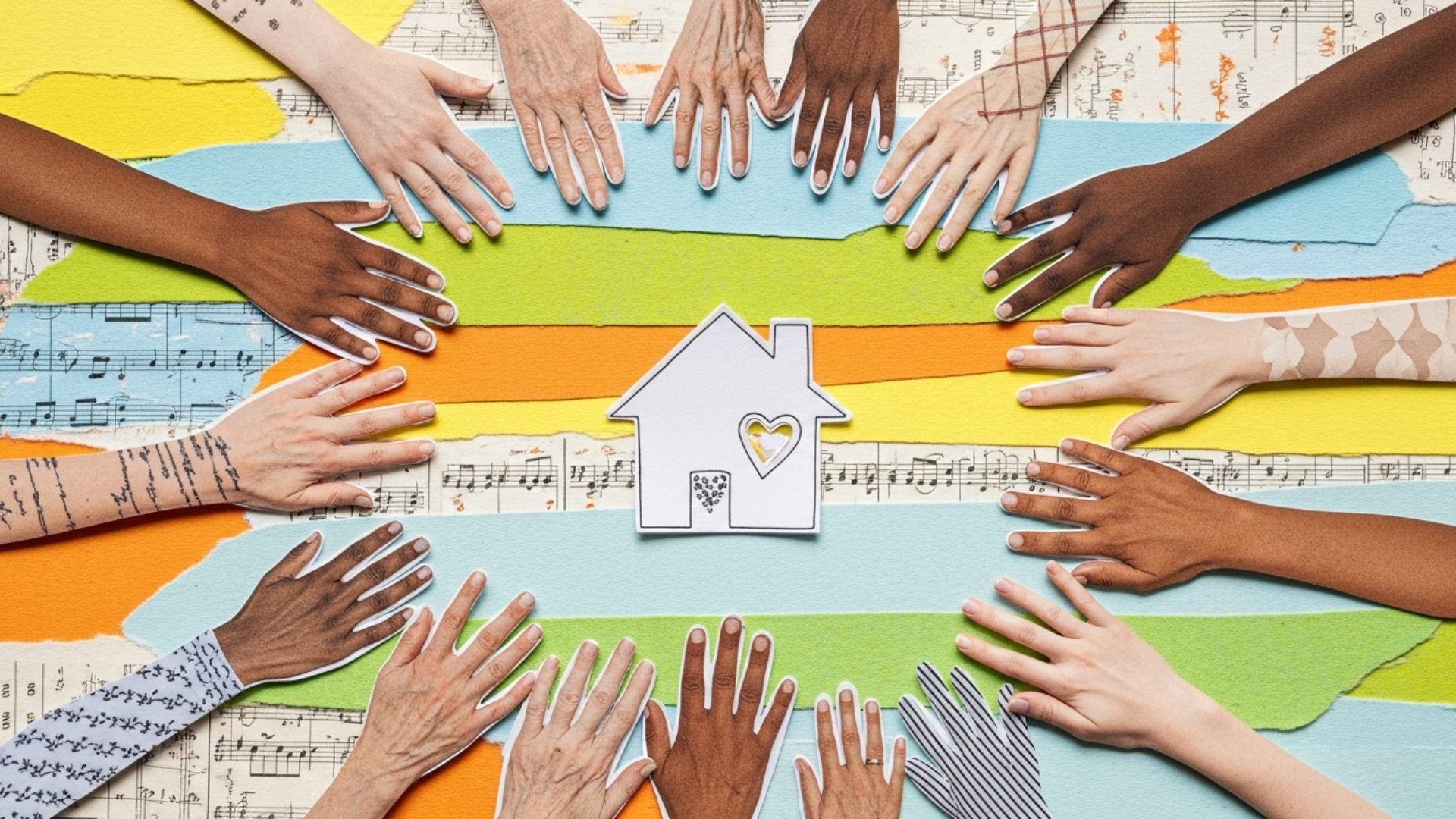
1. The Impact of Isolation
Social isolation is one of the most common and most damaging experiences for people in supported housing. It affects mental and physical health, makes it harder to engage with support, and can deepen feelings of hopelessness and disconnection from the world.
For vulnerable adults, isolation often isn't a choice. It might be the result of losing contact with family, experiencing homelessness, struggling with mental health, or simply not knowing how to connect with others. Whatever the cause, addressing isolation needs to be a priority in supported housing, both for individual wellbeing and for creating a healthy, supportive community.
2. Why Isolation Happens
There are many reasons why residents in supported housing might feel isolated. These include:
- Past experiences that make trust difficult
- Mental health conditions like depression or anxiety that make socialising feel overwhelming
- Lack of social skills or confidence
- Cultural or language barriers
- Physical health issues or mobility difficulties
- The stigma of being in supported housing
Understanding why isolation happens is the first step in addressing it. Solutions need to be tailored to the reasons behind the isolation, rather than assuming one approach will work for everyone.
3. Creating Welcoming Communal Spaces
The physical environment matters enormously when it comes to building community. Communal spaces that feel welcoming, comfortable, and safe encourage residents to spend time there and interact with each other. Spaces that feel institutional, unwelcoming, or unsafe have the opposite effect.
Some things that help make communal spaces welcoming include:
- Comfortable seating arranged in ways that encourage conversation
- Good lighting and a pleasant atmosphere
- Things to do, like books, games, or a TV
- A kitchen or tea-making facilities that give people a reason to gather
- Cleanliness and maintenance that show the space is valued
It's also important that communal spaces feel genuinely shared, not dominated by a small group or used in ways that exclude others. Support workers can play a role in gently encouraging inclusive use of shared spaces.
4. Facilitating Connection
Whilst some residents will naturally make friends and connections, others will need support to do so. Facilitating connection doesn't mean forcing people to socialise, but it does mean creating opportunities and gently encouraging participation. This might include:
- Introducing new residents to others with similar interests
- Highlighting shared experiences or common ground
- Creating moments for informal interaction, like communal meals or coffee mornings
- Being present in communal spaces to help conversations get started
- Noticing when someone seems isolated and checking in with them
The key is to make connection feel easy and natural, rather than forced or awkward.
5. Organised Activities and Groups
Organised activities and groups can provide structure and purpose to social interaction. They give people something to do together, which can make socialising feel less pressured. Activities might include:
- Cooking or baking sessions
- Games nights or film evenings
- Exercise or fitness groups
- Creative activities like art or music
- Educational sessions or workshops
- Trips out to local attractions or events
The most successful activities are those that residents have asked for or shown interest in. It's also important that activities are optional. Forcing participation can create resentment rather than connection.
6. Supporting Natural Friendships
Whilst organised activities have their place, some of the most meaningful connections happen naturally and informally. Support workers can support these natural friendships by:
- Recognising and celebrating when residents form positive connections
- Being flexible about rules when friendships are developing
- Providing opportunities for residents to spend time together
- Stepping back and letting relationships develop without interference
It's also important to be aware of friendships that might be unhealthy or exploitative, and to intervene sensitively if needed. But the default should always be to trust residents to form their own connections.
7. Balancing Privacy and Community
Not everyone wants to be constantly surrounded by people, and that's okay. Some residents value their privacy and alone time, and that should be respected. The goal isn't to force everyone to be sociable all the time. It's to make sure that people who want connection have opportunities for it, and that no one feels isolated against their will.
Balancing privacy and community means:
- Providing private spaces as well as communal ones
- Respecting when someone wants to be alone
- Not treating someone as problematic just because they're more introverted
- Making sure there are different ways to connect, not just group activities
The best supported housing environments are those where residents can choose the level of social interaction that feels right for them.
8. Final Thoughts
Addressing isolation and building community in supported housing is ongoing work. It requires attention, creativity, and a genuine commitment to creating environments where people feel connected and valued. But when it's done well, it transforms the experience of supported housing from somewhere people simply live into somewhere they belong.
If you're working in supported housing, look for small ways to facilitate connection every day. And if you're a resident who's feeling isolated, know that reaching out is a sign of strength, and that connection, however small, is always worth pursuing.


