1. Why Cooking Matters
Being able to cook is one of the most practical skills for independent living. It's not just about saving money, though that's certainly part of it. It's about having control over what you eat, being able to nourish yourself properly, and not being dependent on takeaways or convenience food.
For vulnerable adults moving towards greater independence, cooking can be one of those skills that makes a real difference to quality of life. When you can prepare your own meals, you're not just feeding yourself. You're taking care of yourself in a very fundamental way.
This article looks at how to cook well on a tight budget, covering meal planning, smart shopping, simple recipes, and how to build confidence in the kitchen even if you're starting from scratch.
2. The Challenge of Cooking on a Budget
Cooking on a budget comes with its own set of challenges. When money is tight, the temptation can be to go for the cheapest options, which often aren't the healthiest. Or to skip meals altogether to save money, which isn't sustainable and can affect your health.
There's also the challenge of having the right equipment and ingredients. If you're starting out in a new home, you might not have pots, pans, or even basic seasonings. And if you've not had much experience cooking, the whole process can feel daunting.
But cooking on a budget is absolutely possible, and it doesn't have to mean eating poorly or feeling deprived. With a bit of planning, some smart shopping, and a few simple recipes, you can eat well without spending more than you can afford.
3. Meal Planning Basics
One of the best ways to cook on a budget is to plan your meals in advance. This doesn't have to be complicated. Even just thinking ahead to what you'll eat for the next few days can make a real difference.
Meal planning helps because it reduces impulse buying, cuts down on food waste, and means you're more likely to use up what you've already got. It also takes some of the daily decision-making stress away. When you already know what's for dinner, you don't have to stand in front of the fridge wondering what to make.
A simple approach is to plan for three or four meals and then repeat or adapt them. For example, if you make a big batch of pasta sauce, you can use it for spaghetti one night, a pasta bake another night, and maybe even on toast as a quick lunch. Getting comfortable with leftovers and batch cooking is one of the most budget-friendly habits you can build.
4. Smart Shopping
How you shop makes a big difference to how much you spend. Some practical tips for budget-friendly shopping include:
- Make a list and stick to it: this reduces impulse buys and makes sure you get what you actually need
- Shop at budget supermarkets: places like Aldi and Lidl often have cheaper prices on basics
- Buy own-brand products: they're usually just as good as branded versions but cost less
- Check the reduced section: for items close to their sell-by date that are perfectly fine to use
- Buy in bulk where it makes sense: things like rice, pasta, and tinned goods are cheaper per portion when bought in larger quantities
- Avoid shopping when hungry: it's easier to stick to your list when you're not tempted by everything you see
It's also worth looking into local food banks or community food schemes if money is particularly tight. These aren't a long-term solution, but they can help bridge a gap when things are difficult.
5. Simple, Affordable Recipes
You don't need to be a chef to cook good, affordable meals. Some of the most budget-friendly dishes are also the simplest. Here are a few ideas to get started:
- Pasta with tinned tomatoes and vegetables: quick, filling, and costs very little
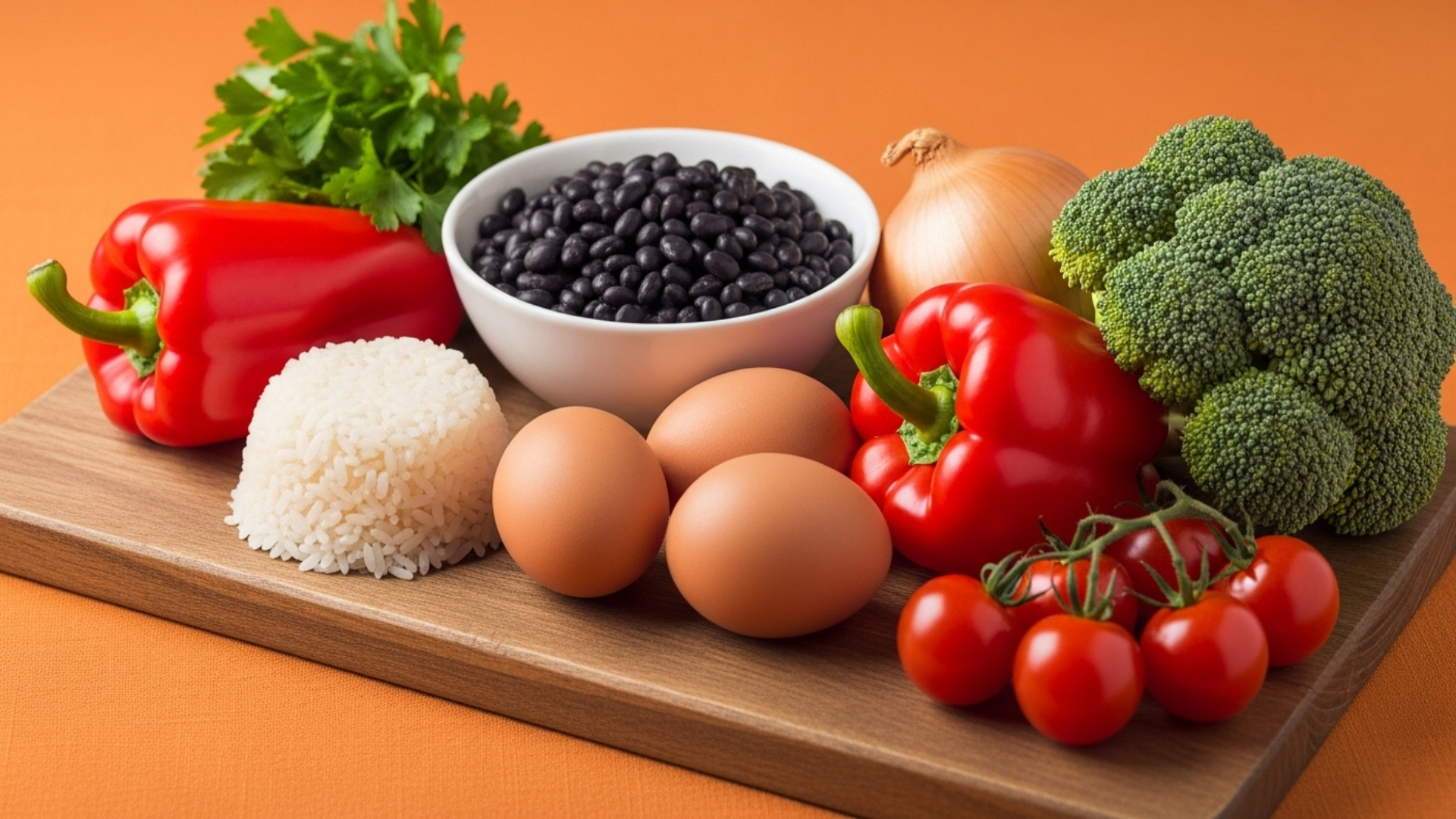
- Rice and beans: a complete protein source that's cheap and versatile
- Jacket potatoes with toppings: baked potatoes with beans, cheese, or tuna
- Vegetable soup: use whatever vegetables you have, add stock, and blend if you like
- Omelettes: eggs are affordable and can be filled with almost anything
- Porridge: a warm, filling breakfast that costs pennies per portion
None of these require fancy ingredients or complicated techniques. They're all about making the most of what you have and building meals around affordable staples like pasta, rice, potatoes, and tinned goods.
6. Reducing Food Waste
Food waste is a big issue, and it's also money down the drain. When you're on a tight budget, making sure nothing goes to waste becomes even more important. Some ways to reduce waste include:
- Using up leftovers: turning last night's dinner into today's lunch
- Freezing things: bread, leftovers, and even milk can all be frozen to extend their life
- Using the whole vegetable: carrot tops, broccoli stalks, and potato peelings can all be used in soups or stocks
- Being creative: if something is starting to go off, find a way to use it up quickly rather than throwing it away
It takes a bit of practice to get into the habit of using everything, but over time it becomes second nature. And the money you save by not throwing food away can really add up.
7. Building Confidence in the Kitchen
If you're not used to cooking, it can feel intimidating at first. But like any skill, cooking gets easier with practice. The key is to start simple and build up from there.
It's also helpful to remember that mistakes are part of the process. Everyone burns things or overcooks pasta or forgets to add salt. It doesn't mean you're bad at cooking. It just means you're learning. And even a meal that doesn't turn out perfectly is still a meal, and it's still cheaper and often healthier than a takeaway.
If you're in supported housing, your support worker might be able to help you build cooking skills. Some services offer cooking classes or one-to-one support in the kitchen. Don't be afraid to ask. Learning to cook is one of the most valuable things you can do for your independence and your wellbeing.
8. Final Thoughts
Cooking on a budget isn't about deprivation or eating the same bland meals every day. It's about being smart with what you have and building the skills to feed yourself well without breaking the bank. It's one of those life skills that genuinely empowers people and makes independent living feel more achievable.
If you're just starting out, be patient with yourself. Every meal you cook is a step towards greater confidence and independence. And over time, you'll find that cooking becomes not just something you can do, but something you actually enjoy.