
1. Why Benefits Matter
For people living in supported housing, benefits and entitlements aren't just paperwork. They can make a real, practical difference to daily life. They help cover the cost of living, reduce financial stress, and give people a firmer footing as they work towards greater independence.
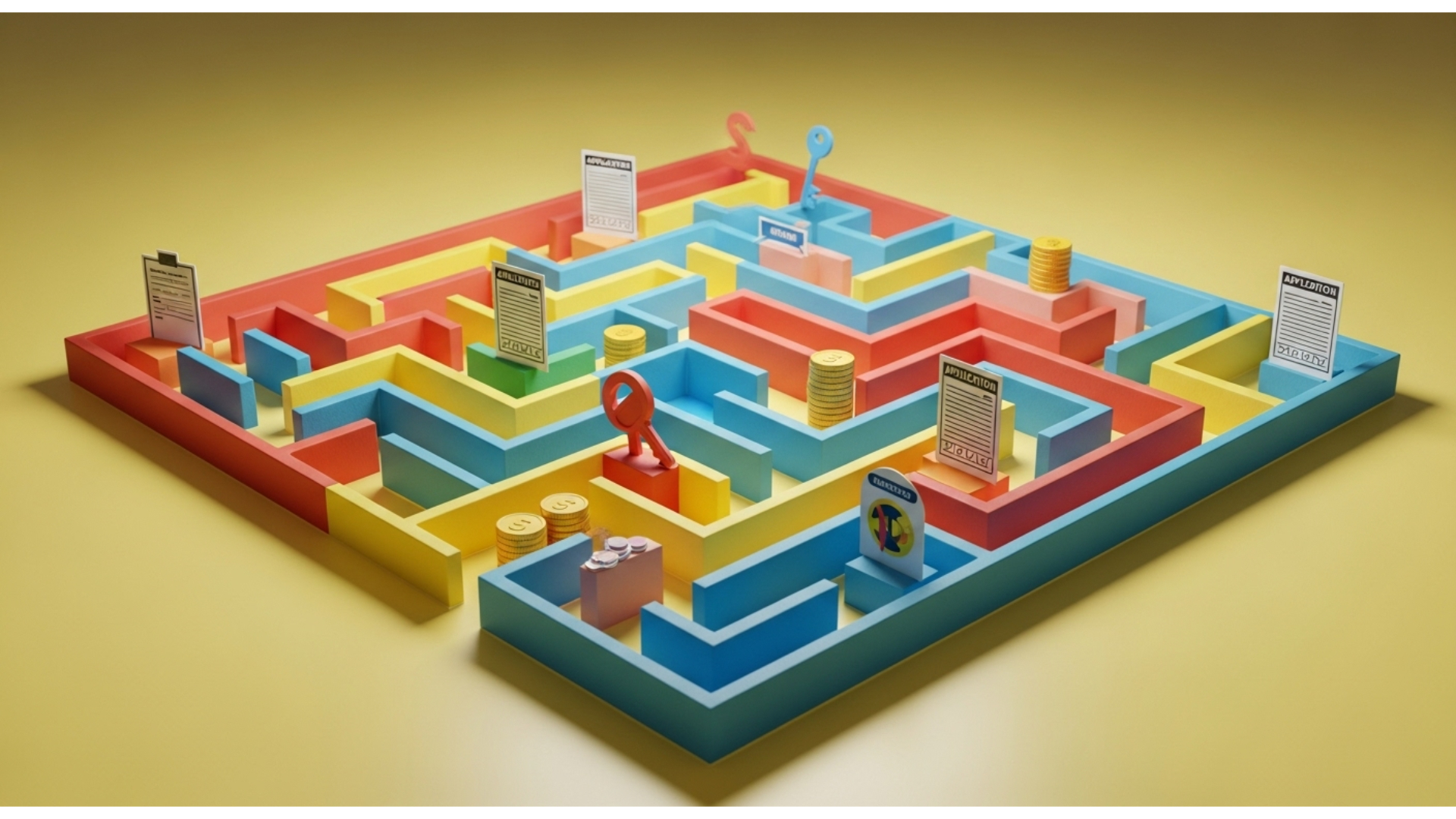
The benefits system can feel intimidating at first. There are a lot of forms, a lot of rules, and it can be hard to know where to start. But the good news is that support is available, and you don't have to work it out on your own.
This guide is designed to give you a clear, calm overview of the main benefits and entitlements that are most relevant to people in supported housing. It's not an exhaustive list, but it covers the areas that tend to matter most.
2. Universal Credit
Universal Credit is one of the most common benefits for people of working age in the UK. It's a single monthly payment that helps with living costs, and it can cover a range of things depending on your circumstances.
If you're in supported housing, you may be entitled to Universal Credit if you're on a low income or not working. The amount you receive will depend on your individual situation, including where you live, whether you have children, and whether you have any health conditions that affect your ability to work.
One important thing to know is that Universal Credit can include an element specifically towards housing costs. This is built into the payment rather than being a separate benefit, so it's worth making sure your claim reflects your actual housing situation accurately.
3. Housing Benefit and the Local Housing Allowance
Housing Benefit is designed to help people who are on a low income with the cost of renting. If you're already receiving Universal Credit, housing costs are usually included within that payment rather than being claimed separately. However, if you're on an older benefit, Housing Benefit might still apply to you.
The Local Housing Allowance sets the maximum amount of rent that can be covered, and this varies depending on where you live and the size of your property. It's worth checking what the allowance is in your area, as it can make a difference to how much support you're able to receive.
If you're unsure whether Housing Benefit or the housing element of Universal Credit applies to your situation, it's a good idea to speak to a support worker or an adviser. They can help you work out the right route for your circumstances.
4. Personal Independence Payment
Personal Independence Payment, often known as PIP, is a benefit for people aged 16 to State Pension age who have a long-term health condition or disability that affects their daily life. It's not means-tested, which means it doesn't depend on your income or savings.
PIP is made up of two components: a daily living component and a mobility component. The amount you receive depends on how much your condition affects your ability to carry out certain activities. An assessment is usually carried out to determine this.
For people in supported housing who are managing a long-term health condition, PIP can be an important source of financial support. If you think you might be eligible, it's well worth looking into, even if you're not sure whether you qualify.
5. Other Benefits Worth Knowing About
Beyond the main benefits mentioned above, there are a number of other entitlements that might be relevant depending on your circumstances. These include:
- Council Tax Reduction: most councils offer a reduction in Council Tax for people on low incomes. The amount varies by area, but it can significantly reduce your bill
- Carer's Allowance: if you spend a significant amount of time looking after someone with a qualifying disability benefit, you may be entitled to this
- Discretionary Housing Payments: if you're struggling to pay rent or have a shortfall in your housing costs, your local council may be able to help through a one-off or short-term payment
- Free prescriptions: depending on your benefit status or health condition, you may be entitled to free NHS prescriptions
This list isn't exhaustive, and your entitlements will depend on your individual circumstances. The important thing is to know that these things exist, and to ask for help in finding out what applies to you.
6. How to Apply
Applying for benefits can feel like a lot, but breaking it down into smaller steps makes it more manageable. The general process tends to look something like this:
- Work out which benefits might apply to your situation
- Gather any documents or information you might need, such as proof of address or details about your health condition
- Fill in the application form, either online or on paper, taking your time and being as accurate as possible
- Submit the application and keep a record of when you did so
- Follow up if you haven't heard back within the expected timeframe
It's completely normal to find this process stressful or confusing. That's not a reflection of you. The forms are genuinely complicated, and getting support with them is one of the smartest things you can do.
7. Getting Help with Your Claim
You absolutely don't have to navigate the benefits system alone. There are a number of people and organisations who can help, including:
- Your support worker, who can often help you understand your options and point you in the right direction
- Citizens Advice, which offers free, impartial advice on benefits and entitlements
- Local authority welfare teams, who may be able to help with applications or queries
- Specialist organisations in your area that support vulnerable adults with benefits and financial matters
Don't be afraid to ask for help. It's there to be used, and using it is a sensible and practical thing to do.
8. Final Thoughts
The benefits system exists to support people, and that includes people in supported housing. It might not always feel that way, but the entitlements are there, and they can make a genuine difference to your life.
If you're not sure what you might be entitled to, start by having a conversation with your support worker or visiting Citizens Advice. A little help in the right direction can open up a lot of possibilities.


