1. Where Does the Journey Start?
For many people, the journey towards independent living doesn't begin with a grand plan. It often starts quietly, in a moment where someone realises they need a bit more support than they currently have. Maybe life has thrown a difficult challenge their way, or maybe they've been struggling for a while and have finally found the courage to ask for help.
That first step is, in many ways, the most important one. It takes honesty, vulnerability, and a willingness to accept that needing support isn't a sign of weakness. It's a sign of strength.
Supported housing exists to meet people at exactly that point, wherever they happen to be. The journey from there is uniquely personal, but it does follow a general path that's worth understanding.
2. Understanding the Levels
Supported housing is organised into four broad levels, each designed to offer a different amount of support depending on what someone needs at that stage of their life. Think of them less as fixed categories and more as waypoints along a road.
- High support: for those who need the most intensive, around-the-clock help to feel safe and grounded
- Medium support: a step back, where residents begin taking on more of their own daily responsibilities
- Low support: a lighter touch, for people who are close to managing independently but still benefit from some guidance
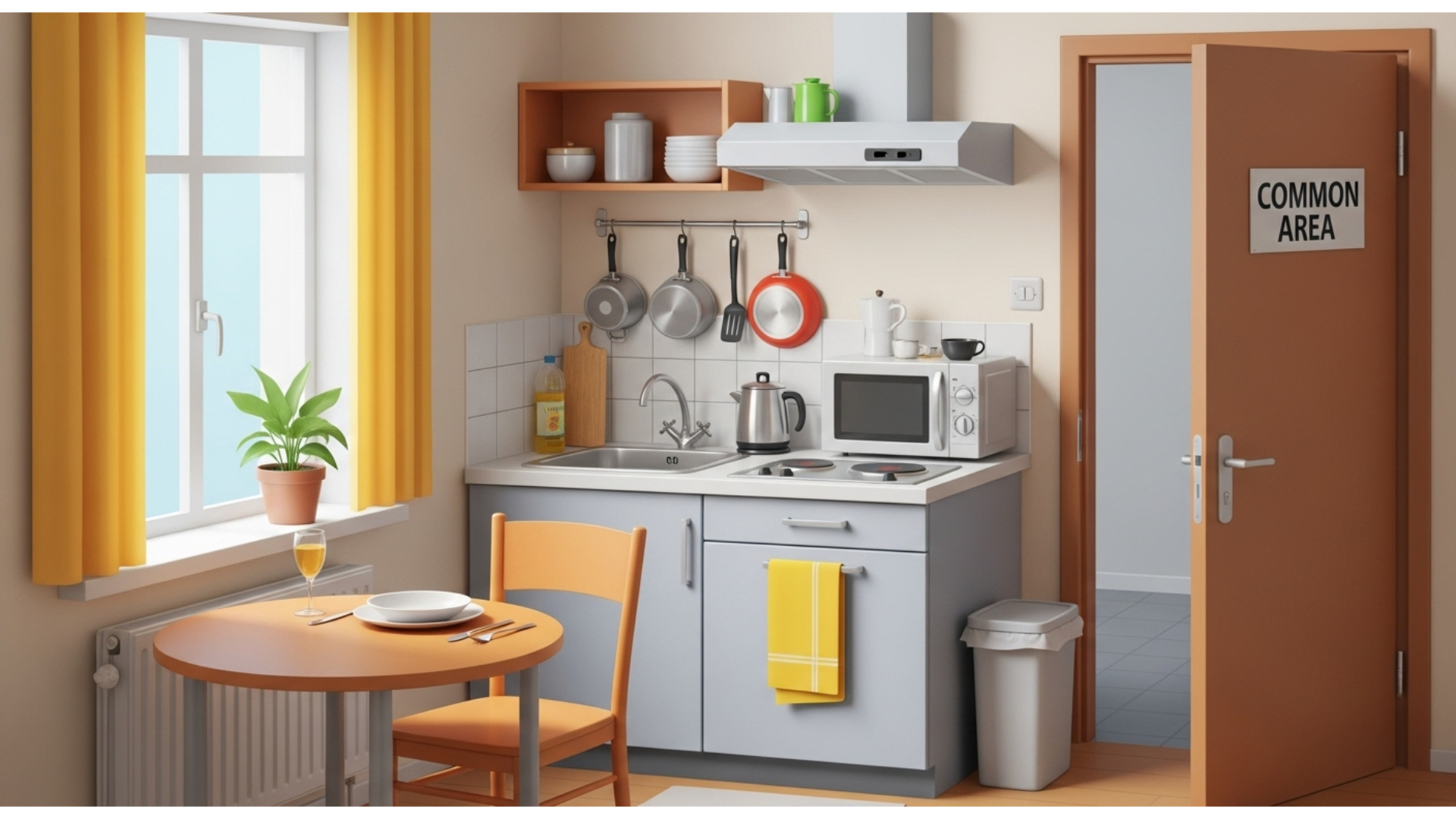
- Semi-independent living: the final stage before full independence, where support is minimal and confidence is high
These levels aren't about ranking people or placing them in order of ability. They're about making sure the support on offer actually matches what someone needs, nothing more and nothing less.
3. What Does Progress Actually Look Like?
Progress in supported housing doesn't always look the way you might expect. It's rarely a straight line. Some days will feel like a step forward. Others might feel like a step back. And that's completely normal.
Progress might look like someone cooking their own meal for the first time in months. It might be keeping an appointment without being reminded, or having a conversation with a neighbour that feels easy and natural. These might seem like small things, but in the context of someone rebuilding their life, they're significant.
The important thing is that progress is being noticed and celebrated, however small. A good supported housing environment will recognise these moments and encourage the person to recognise them too.
4. The Role of Support Plans
At the heart of the journey is the support plan. This is a personalised document that outlines where someone is right now, where they'd like to get to, and what kind of support will help them bridge that gap.
A good support plan is collaborative. It's not something that's written about a person; it's written with them. The individual's own goals, wishes, and concerns should be right at the centre of it.
Support plans are reviewed regularly, often every few months, and adjusted as things change. If someone is making great strides, the plan might be updated to reflect that. If something has shifted and they need a bit more help, that can be reflected too. It's a living document, not a fixed blueprint.
5. Moving Between Levels
One of the most encouraging aspects of supported housing is that movement between levels is expected. It's not unusual for someone to spend a period in high support and then, as their confidence grows, transition into medium support. From there, low support might follow, and eventually semi-independent living.
That said, this progression isn't always linear. Some people might move quickly through the levels. Others might stay at a particular level for a longer time, and that's perfectly fine. The goal is sustainability, not speed.
When someone is ready to move to a lower level of support, that transition is usually supported too. It might involve visits to potential new accommodation, conversations about what to expect, and a gradual shift rather than an abrupt change.
6. The Emotional Side of Things
It's easy to focus on the practical side of the journey, the routines, the skills, the plans, and overlook the emotional weight of it all. But for many people, moving through supported housing is as much an emotional experience as it is a practical one.
There might be feelings of shame about needing support in the first place. There might be anxiety about the future, or grief about the past. These feelings are valid, and a good supported housing environment will make space for them.
Support workers aren't therapists, but they can be a steady, trusting presence. They can listen, encourage, and help connect people with the right professional support when it's needed. That relationship, built on trust and respect, matters more than people often realise.
7. When You're Ready to Take the Next Step
Eventually, for many people, the journey through supported housing leads to a moment where independent living feels not just possible, but genuinely within reach. That's an exciting milestone, and it deserves to be treated as one.
Getting to that point usually involves some practical planning. This might include:
- Exploring housing options such as private renting or housing association properties
- Understanding welfare benefits and how to make the most of them
- Building or strengthening social connections in the local community
- Feeling confident about managing finances, health, and day-to-day life
None of this happens overnight, and none of it has to happen alone. The support is there right up until the point where it's no longer needed, and even then, many people stay connected to the networks and relationships they built along the way.
8. Final Thoughts
The journey from high support to independent living is one of the most meaningful paths a person can walk. It's not always easy, and it doesn't always go according to plan. But with the right support, the right people around them, and the space to grow at their own pace, it's a journey that genuinely changes lives.
If you're at the beginning of that journey, or somewhere in the middle of it, know that where you are right now is exactly where you need to be. The next step will come when you're ready for it.