Virtual Reality Deployed to Support Assisted Living Residents | Housing Digital
How small digital habits woven into daily routines can build skills and self-esteem
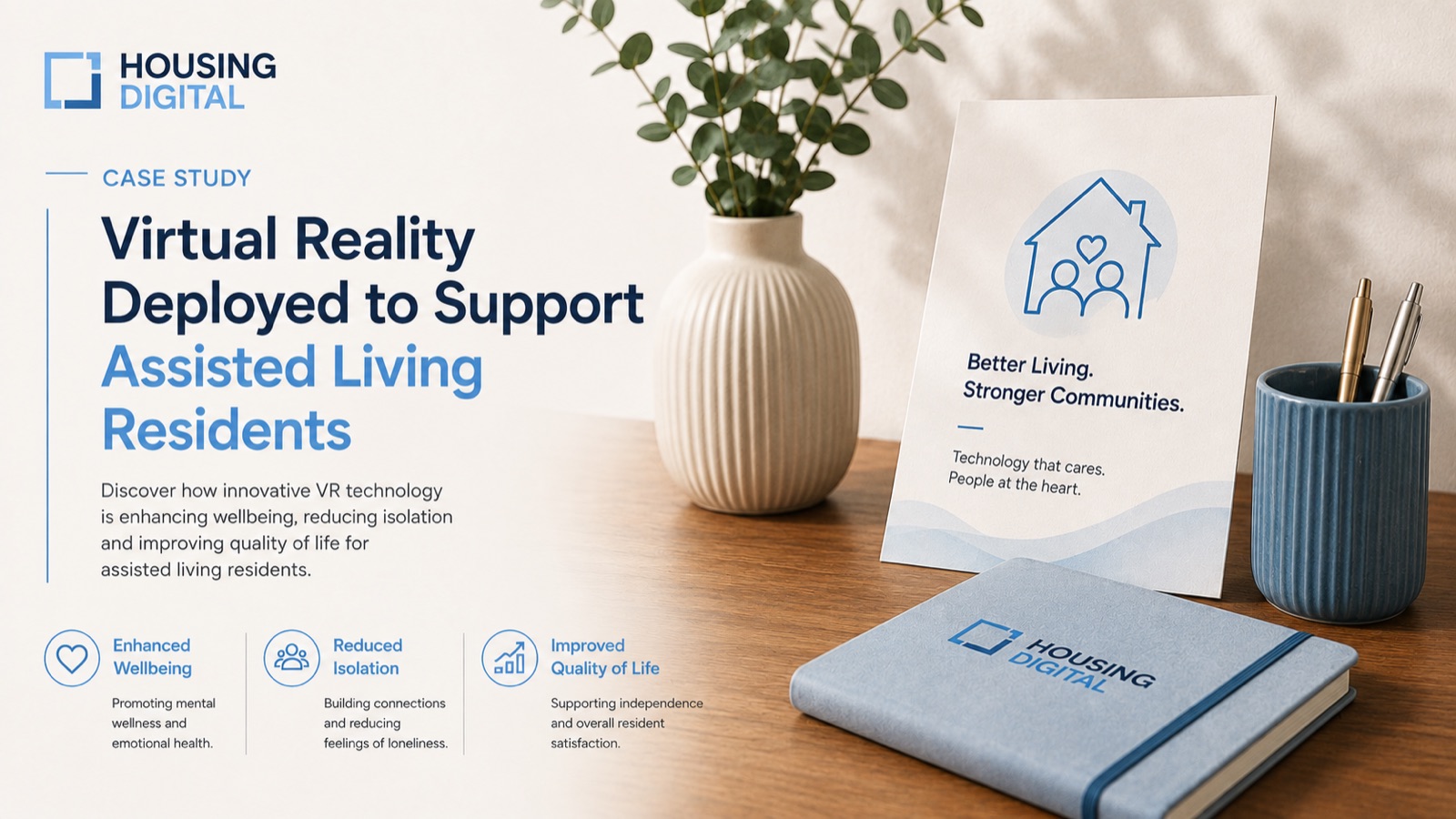
On 17 September 2024, Housing Digital published an article by Mark Cantrell on the virtual reality (VR) programme at Apax, a supported housing social enterprise in Lewisham, South East London. The article described how residents are using VR to support their mental wellbeing and digital skills.
One idea in the article stands out: that the technology fits into the daily routines of the people using it. This piece explores why routine matters so much, and how small digital habits can build self-esteem.
Why Routines Matter
Routines give shape to a day. For people who have lived through periods of upheaval, a predictable rhythm can bring a welcome sense of safety and control, even when much else feels uncertain. They offer something to lean on.
Simple, repeated actions, such as a regular walk, a weekly phone call with a friend or a few quiet minutes each morning, can become anchors. Over time, they help to steady mood and make bigger tasks feel more manageable. Each one is small, but together they make a difference.
Supported housing can help people to build these anchors gently. The aim is not a rigid timetable but a pattern that feels personal and sustainable, and that grows with the person.
VR as Part of the Day
Housing Digital reported that Apax residents use a specialised VR app developed by TRIPP, together with Meta Quest headsets. The technology was described as integrating into the daily routines of the adults using it, with experiences that promote mood, self-esteem and overall mental health.
The article explained that the approach is intended to help residents manage stress, reduce anxiety and depression, and move closer to independent living. Each session can become one more steady point in the day. Over weeks, those points can join up into a steadier rhythm.
Our guide to VR applications for wellness explains more about how this kind of technology works. This piece focuses instead on what happens when it becomes a regular habit.
Digital Skills Through Everyday Use
Digital skills are often learned best through regular, low-pressure use. Putting on a headset, following simple prompts and choosing an experience all build familiarity with technology without the stress of a formal lesson. Confidence grows alongside competence.
According to Housing Digital, 80% of participants found the technology easy to use from the start. That early ease matters, because a first experience that feels manageable makes it far more likely that someone will come back.
Familiarity tends to spread. Someone who feels comfortable with one device may find it a little easier to approach the next, whether that is a phone, a laptop or an online form. Skills built in one place rarely stay there.
Self-Esteem Grows in Small Steps
Self-esteem is rarely rebuilt in one moment. It tends to grow through repeated small successes, each one quietly adding to a person's sense that they can manage and that their efforts make a difference. Those successes are often invisible to others but deeply felt.
Housing Digital shared one resident's experience. Their average mood score rose from 10% to 88% after completing 14 sessions, and the article reported that this led to a significant increase in social engagement.
Every person's journey is different, and no single story speaks for everyone. Yet it shows how regular, gentle routines can open the door to reconnecting with other people. Connection can be one of the most meaningful outcomes of all.
Measuring Progress Together
The article described how residents answer short pre- and post-session questions built into the headsets, which Apax's key workers then use to understand immediate outcomes. This keeps residents' own views at the centre of how progress is understood.
Broader progress is tracked through surveys and outcome wheels, which Housing Digital described as a tool to capture and analyse an individual's experience and progress. Together, they give a fuller picture than any single snapshot.
Including residents in measuring their own progress can itself build self-esteem. Seeing change reflected in their own answers can help people recognise growth that might otherwise go unnoticed. Progress is easier to believe in when you can see it.
From a Few Residents to Many
According to Housing Digital, the programme was already benefiting 40 residents at the time of the article, and Apax planned to introduce it as standard practice for all 140 of its residents.
Making something standard practice is a way of turning it into a routine for a whole service. It means residents can expect it to be there, and staff can weave it naturally into the support they offer. Consistency helps habits to form.
The article also reported that every participant recommended the programme. Recommendations from peers carry weight, and a resident who hears that a neighbour found something helpful may feel more willing to try it.
Small Habits, Lasting Change
Quoted by Housing Digital, Israa Qaddourah, project manager at Apax, said the initiative “equips them with the digital skills and confidence necessary to rebuild their lives.” Skills and confidence are exactly what steady, everyday routines can help to nurture.
Technology will keep evolving, but the value of a personal routine is likely to remain. The hope is that small, regular moments of calm and learning continue to add up to lasting change.
You can read the full article in Housing Digital: Virtual reality deployed to support assisted living residents.